The Future Of ERP Systems: From Monoliths To Microservices
Traditional ERPs are slow, expensive, and difficult to update. Discover how modern API-first, microservice-based ERP architectures allow enterprises to scale modules independently, integrate instantly, and deploy zero-downtime updates.
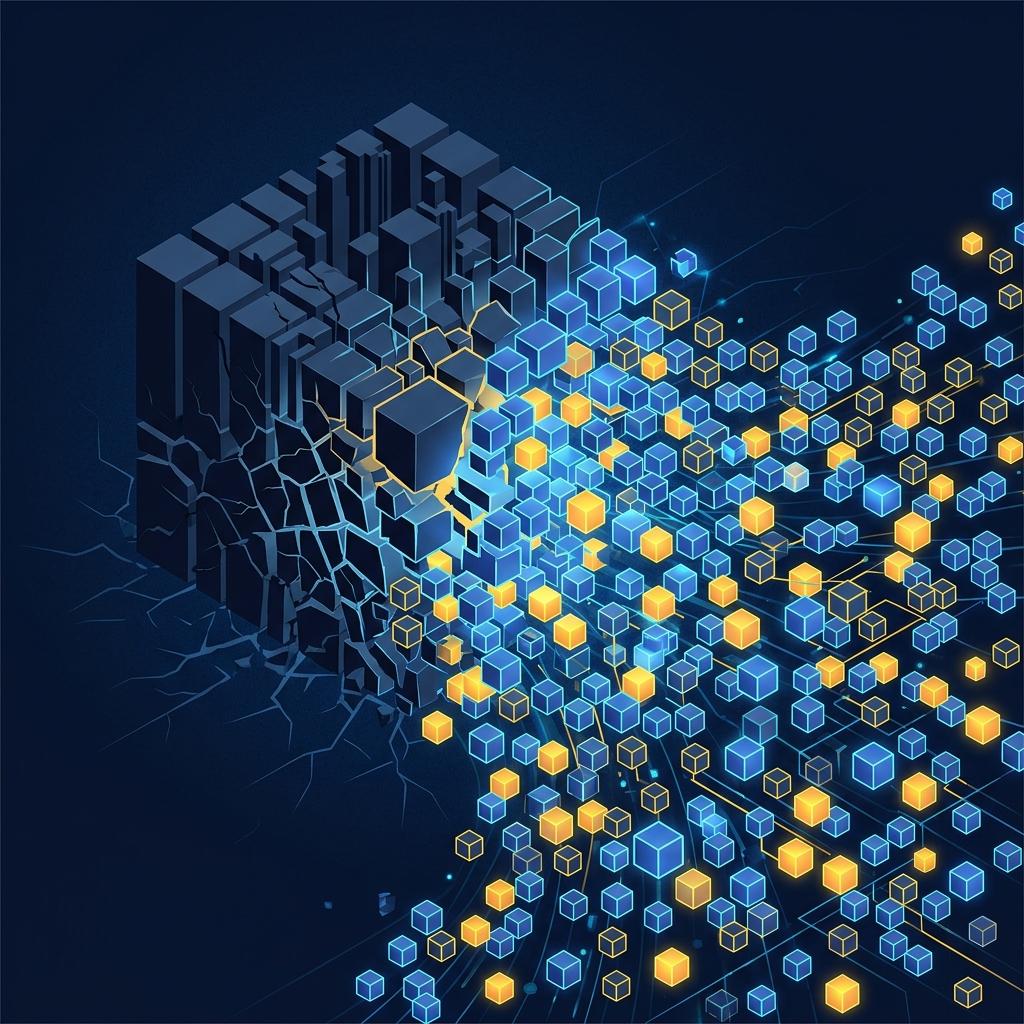
Enterprise Resource Planning systems have traditionally been built as large, monolithic applications. While these systems provided centralized control over finance, operations, procurement, inventory, and human resources, they often became difficult to maintain, customize, and scale.
Modern enterprises are increasingly moving toward API-first and microservice-based architectures. Instead of relying on a single application to manage every business process, organizations can deploy specialized services that communicate through secure APIs. This approach offers greater flexibility and allows teams to evolve individual modules without impacting the entire platform.
For example, inventory management, customer relationship management, finance, and reporting can operate as independent services while sharing information through a common integration layer. This reduces deployment risk and enables faster innovation cycles.
Key Takeaway
Modern ERP ecosystems are designed to connect seamlessly with e-commerce platforms, CRM systems, AI assistants, and analytics tools, creating a connected digital ecosystem.
Microservice architectures also improve scalability. Businesses can allocate resources to high-demand services without scaling the entire ERP environment. This results in better performance, improved reliability, and more efficient infrastructure utilization.
Another major advantage is integration. Modern ERP ecosystems are designed to connect seamlessly with e-commerce platforms, CRM systems, AI assistants, analytics tools, and third-party business applications. This creates a connected digital ecosystem rather than a standalone software platform.
The transition from monolithic systems to modular architectures does not happen overnight. Organizations must carefully evaluate existing processes, integration requirements, and governance models. However, the long-term benefits include greater agility, lower operational risk, and the ability to adapt technology investments to changing business needs.
As digital transformation accelerates, the future of ERP will be defined by flexibility, interoperability, and intelligent automation rather than rigid enterprise software deployments.
Discuss your operational challenges
Our engineering leadership is ready to explore how these insights apply specifically to your organizational workflows.